
Understand your community
Gain meaningful insight into your culture, strengths, and opportunities to build a clear foundation for meaningful change.
Pollyanna helps schools, organizations, and communities better understand the experiences of the people they serve, providing the insight needed to make informed decisions and strengthen belonging.
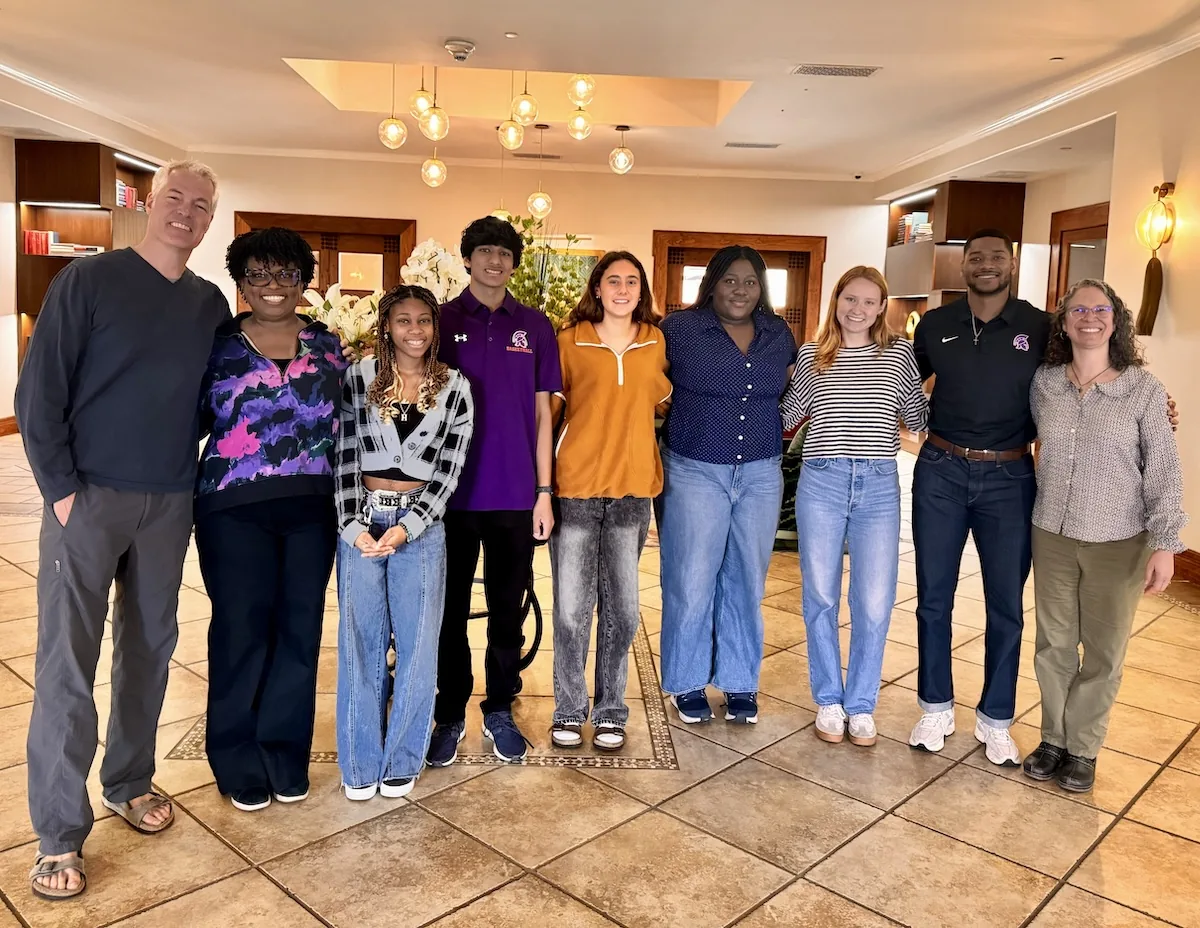
Meaningful change begins with understanding.
Before determining what comes next, it is important to understand where your community is today.
Our assessment work helps leaders gain a deeper understanding of community experiences, identify strengths, and uncover opportunities for growth. Rather than relying on assumptions, we provide meaningful insight that supports thoughtful reflection and informed decision-making.
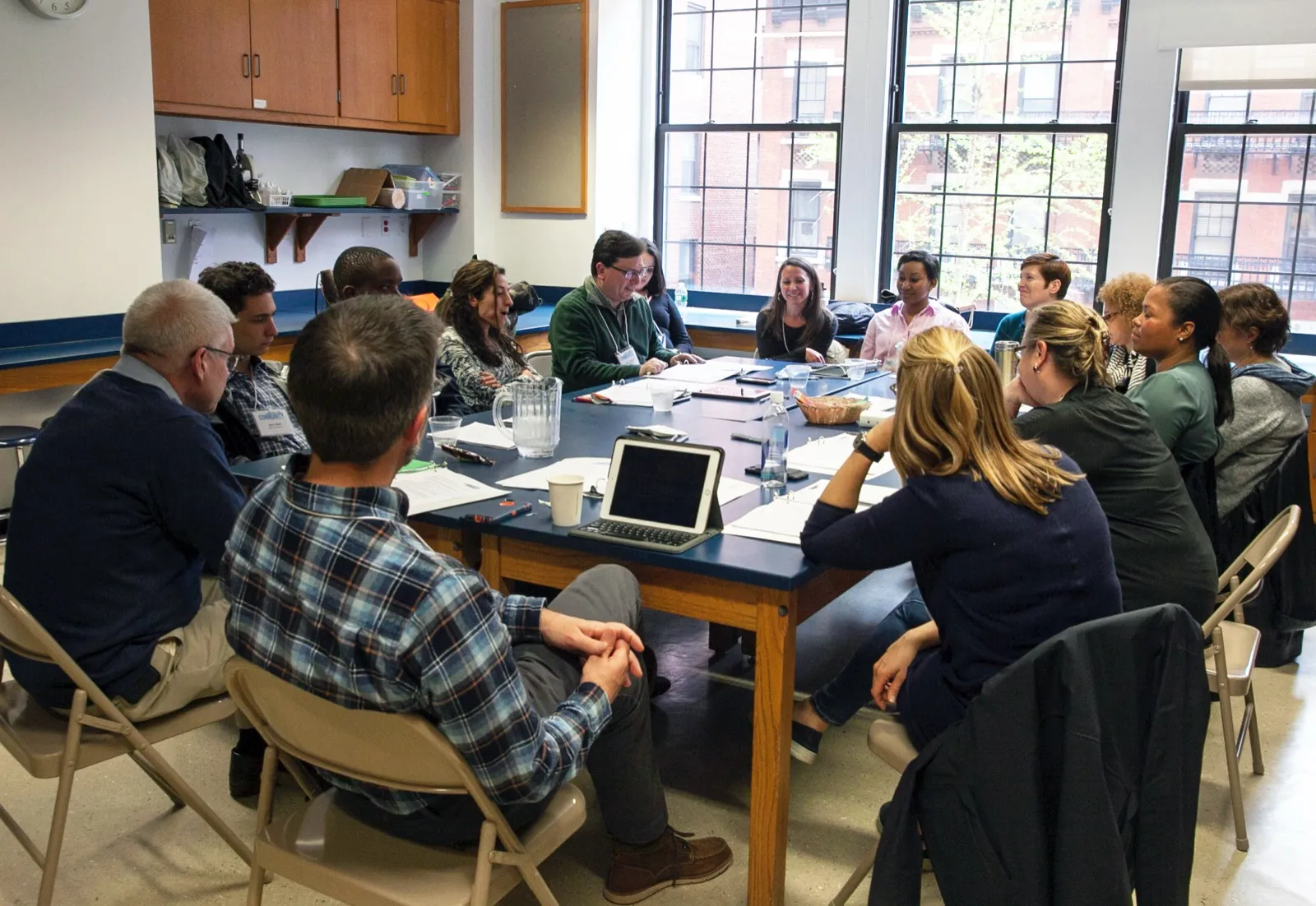
We tailor the process to your community.
Every community is different, so every assessment is designed around your goals and context.
We work collaboratively with your leadership team to determine the most appropriate approach. This may include community assessments, surveys, focus groups, and interviews.
Each engagement is tailored to your community and designed to create space for honest reflection while building trust and encouraging broad participation.
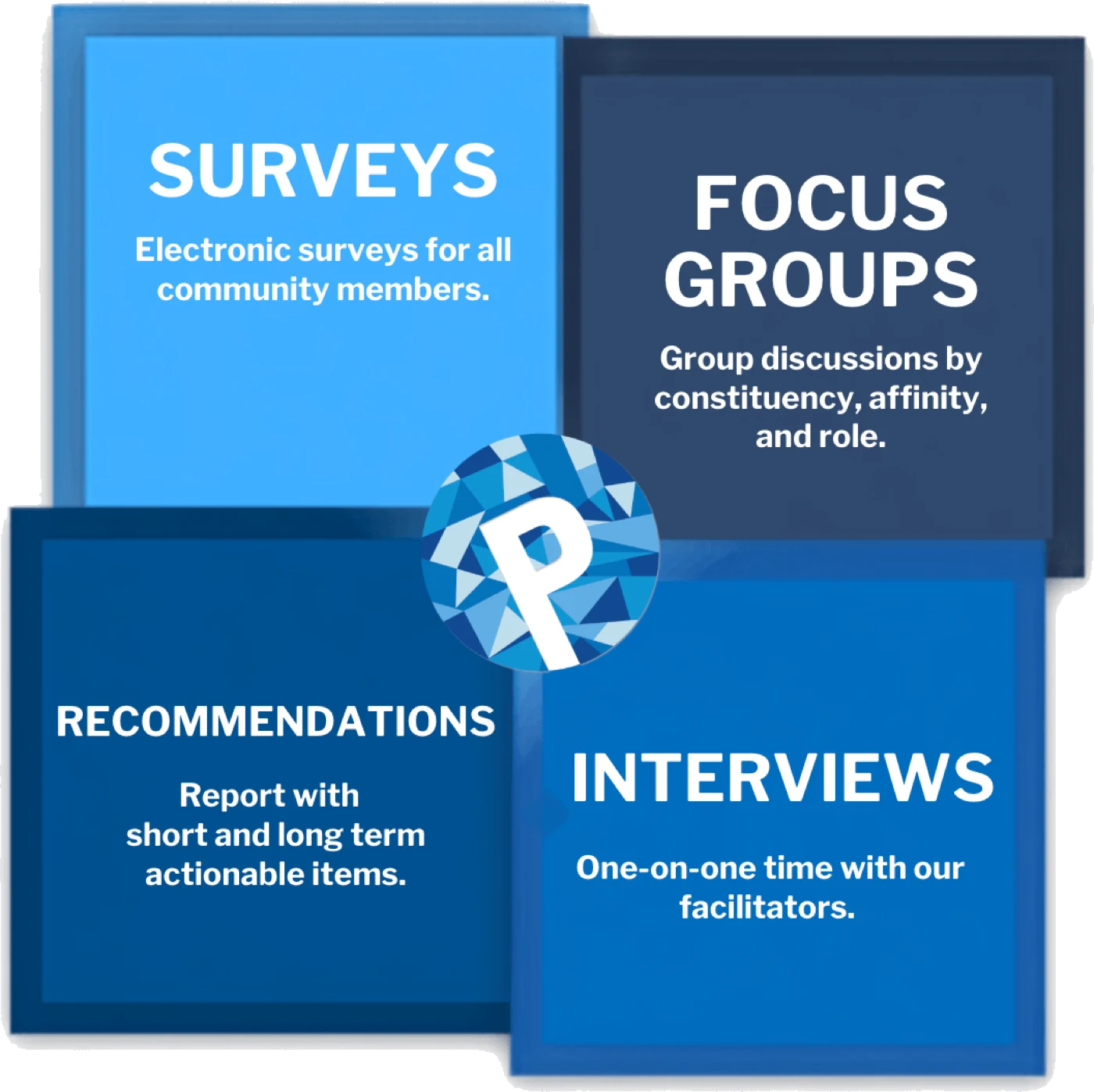
A clearer understanding of your community.
The insights gained through assessment help communities identify priorities, make informed decisions, and determine practical next steps.
Understanding your community creates the foundation for stronger leadership, deeper connection, and lasting growth.
Pollyanna knows what drives community and belonging. The insights from the design and analysis of our community survey guided more informed, effective decision-making. Just as people differ, no two schools are the same, and Pollyanna worked with us to best serve our entire community.
Let's start the conversation
Every community is different. We'd love to learn about yours and explore how Pollyanna can support your goals.